Choosing a PCBA Manufacturer: What to Look For
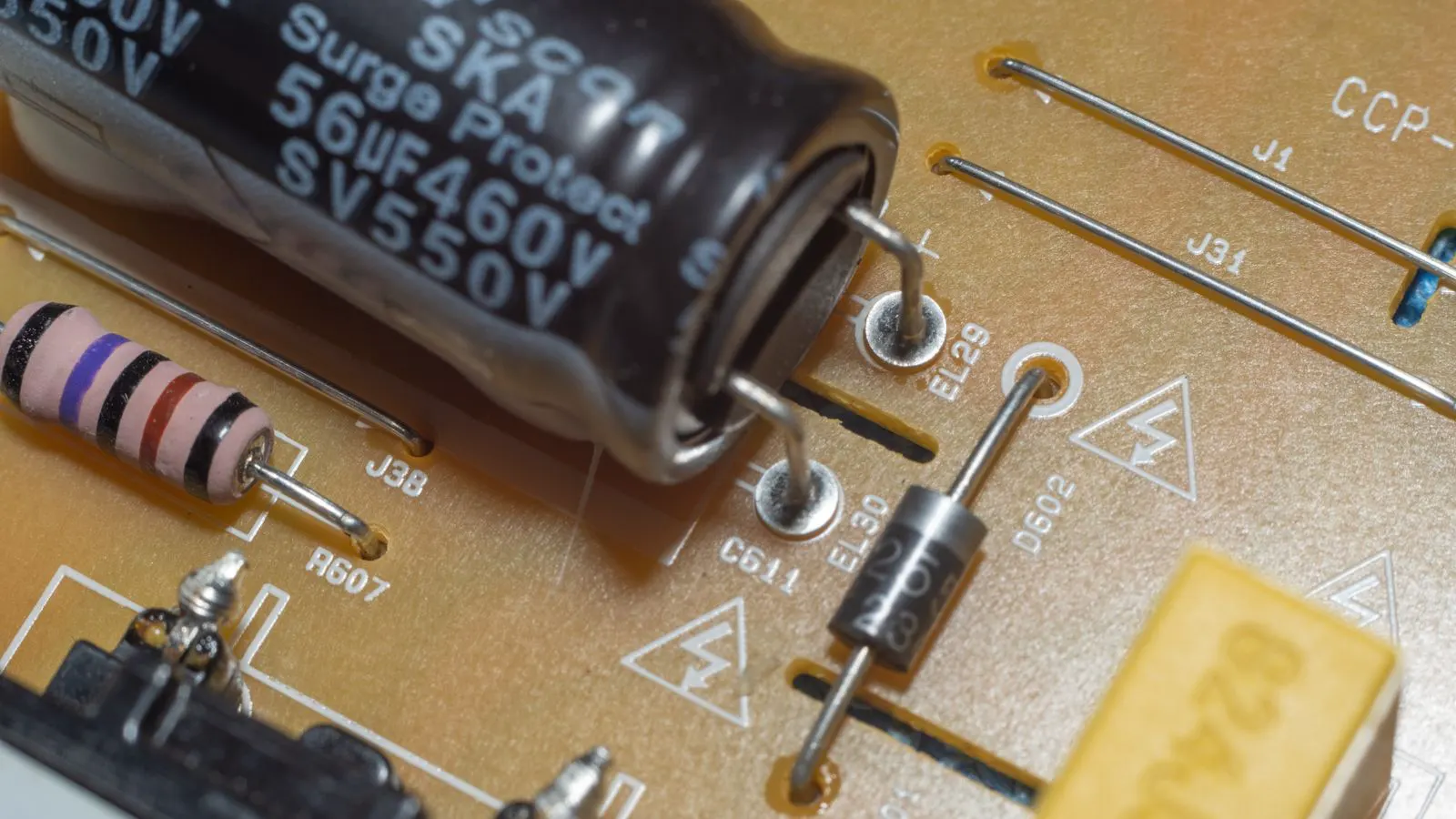
A reliable PCBA assembly partner requires strong reflow and wave soldering capability, strict quality controls, clear communication, and proven process experience. Evaluate these factors to reduce risk and ensure yield for your production run.
- Verify reflow, wave solder, and hand soldering capabilities match your specific component mix and board complexity.
- Check for documented quality systems, first article inspections, and clear defect reporting procedures.
- Review communication practices, lead times, and revision handling to ensure operational alignment.
- Test the supplier with a small pilot run before committing to full production volumes.
- Prioritize suppliers who provide clear traceability and transparent defect analysis.
Selecting a PCBA assembly partner is a long-term decision. The wrong choice can delay projects, increase scrap, and complicate production. The right partner reduces risk and improves yield.
A capable PCBA manufacturer handles both SMT and through-hole processes, manages component sourcing, and maintains quality controls throughout. Your evaluation should focus on technical capability, process discipline, and operational reliability.
What assembly processes do they actually run?
The first question is about physical capability. Does the facility run the processes your board requires?
Look for a mix of SMT and through-hole lines. Many boards need both. A supplier that only does SMT cannot handle your through-hole components. A supplier that only does through-hole may struggle with fine-pitch SMT parts.
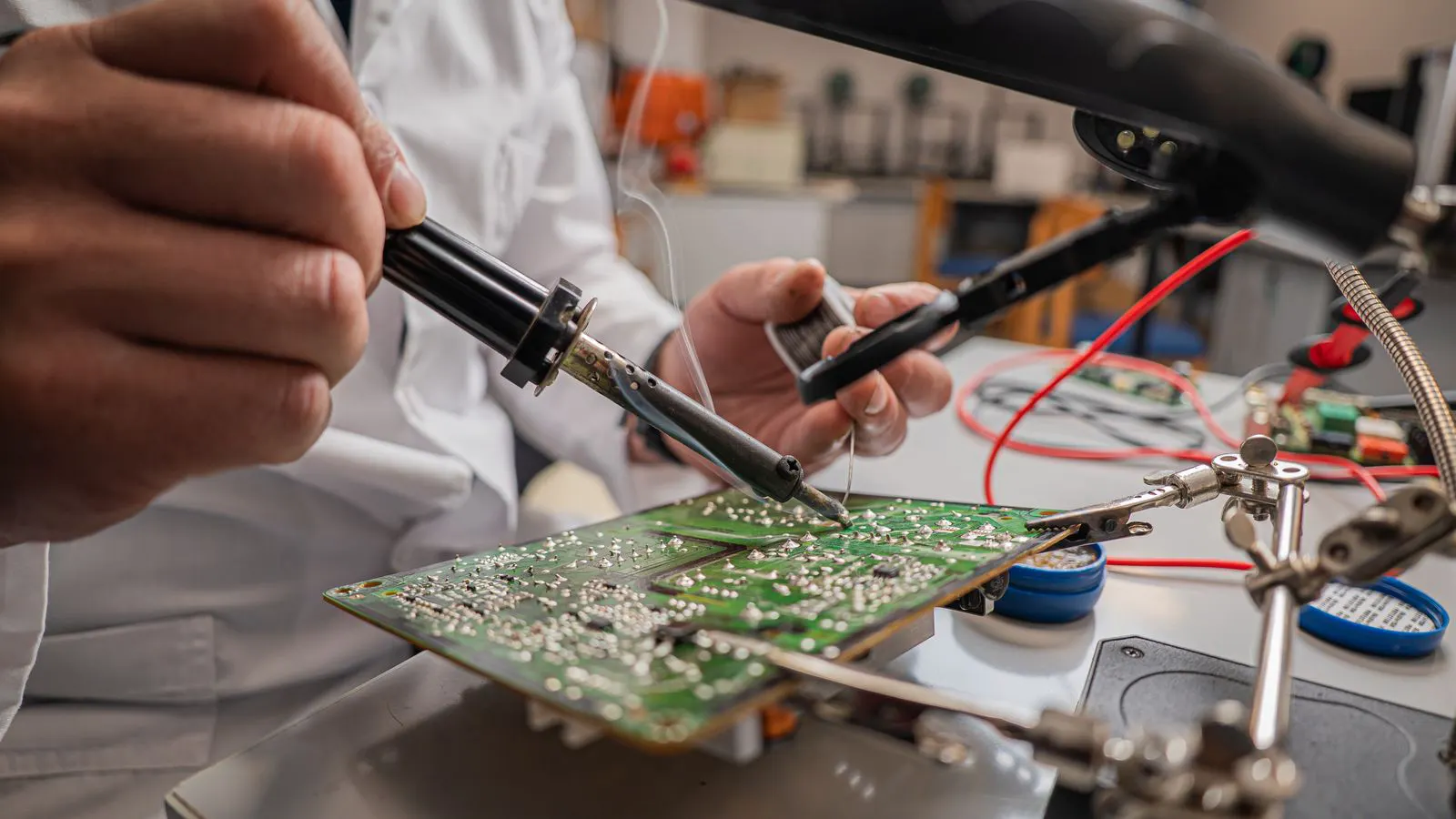
Check for reflow ovens, wave solderers, and hand soldering stations. Fine-pitch QFPs and BGA packages need careful reflow. Through-hole connectors and larger components often need wave solder or hand finishing.
Ask about their equipment age and maintenance schedule. Older ovens can produce inconsistent profiles. Ask how they calibrate reflow ovens and how often. A supplier with modern ovens and regular calibration is less likely to produce defects.
Also ask about their solder paste application method. Stencil printing is standard, but check if they handle high-aspect-ratio components. This matters for tall components or dense boards.
What quality controls are in place?
Quality control is where PCBA assembly succeeds or fails. A capable supplier has multiple layers of inspection.
Look for automated optical inspection (AOI) after SMT. AOI catches missing components, wrong components, and solder defects. But AOI is not perfect. A good supplier combines AOI with manual inspection.
Ask about first article inspection (FAI). FAI checks the first board against your drawings before full production starts. This catches errors early.
Check their defect reporting process. How do they report defects? Do they provide photos? Do they give a root cause? A supplier that just says “defect rate” without details is not transparent.
Also ask about their handling of non-conforming material. If a batch fails, how do they handle rework? Can they repair boards, or do they scrap them? Rework capability matters for complex boards.
Do they have a documented quality system?
A supplier with a documented quality system is easier to work with. They have procedures for every process.
Ask if they follow recognized quality standards. Many suppliers reference ISO 9001 or IATF 16949. The certification itself is not enough. What matters is whether they actually follow the procedures.
Request their process control plan. This document shows how they control each step from solder paste to final test. A clear process control plan shows discipline.
Also ask about their change control process. If they change a solder alloy or a stencil, how do they notify you? A good supplier documents changes and communicates them clearly.
How do they handle component sourcing and kitting?
Component sourcing is a major risk point. A supplier who sources components for you controls the supply chain. This is convenient but adds risk.
Ask how they source components. Do they buy from authorized distributors? Do they verify component authenticity? Counterfeit components are a real problem in the industry.
If you provide your own components, ask about their kitting process. How do they verify parts against your BOM? Do they use barcode scanning? Do they flag mismatches?
A good supplier has a clear receiving inspection process. They check incoming components against your specifications. This catches wrong parts before they reach the board.
What is their communication and revision handling like?
Communication is where many projects fail. A supplier who does not communicate problems clearly will cause delays.
Ask about their point of contact. Do they assign a dedicated project manager? Or do you talk to a general sales rep? A dedicated contact is better.
Check their response time. How quickly do they reply to questions? Do they provide status updates without being asked? A good supplier keeps you informed.
Also ask about revision handling. If you send a new board revision, how do they manage the transition? Do they archive old revisions? Do they clearly flag when a new version is active?
A supplier who handles revisions poorly can ship the wrong board. This is a serious problem.
What is their production lead time and capacity?
Lead time and capacity affect your project timeline. A supplier who is always at full capacity may not be able to accommodate your schedule.
Ask about their typical lead time for a standard run. Is it one week, two weeks, or longer? This depends on complexity and volume.
Check their capacity. Can they handle your volume? If you need a large run, a small shop may struggle. If you need a small run, a large shop may not be efficient.
Also ask about their buffer capacity. If your board has a long lead time, can they start early? Or do they wait for you?
Should you run a pilot before full production?
A pilot run is the best way to test a new PCBA manufacturer. It reduces risk and verifies capability.
Start with a small batch. Ten to fifty boards is usually enough. This lets you check quality, communication, and lead time.
Review the pilot results carefully. Look at defect rates, documentation, and communication. If the pilot goes well, proceed to full production. If there are issues, fix them now.
A pilot run costs more per unit, but it saves money on a large failed run.
Criteria table for evaluating a PCBA manufacturer
| Criterion | What to look for | Why it matters |
|---|---|---|
| Process capability | Reflow, wave solder, hand solder, AOI, X-ray | Matches your component mix and board complexity |
| Quality controls | FAI, AOI, manual inspection, defect reporting | Reduces escapes and ensures traceability |
| Documentation | ISO certification, process control plan, change control | Shows discipline and consistency |
| Component sourcing | Authorized distributors, authenticity checks, kitting | Prevents counterfeit parts and mismatches |
| Communication | Dedicated contact, status updates, revision handling | Reduces delays and errors |
| Capacity and lead time | Current workload, buffer capacity, typical lead time | Protects your project schedule |
Decision checklist
Before signing a contract, run through this checklist:
- Verify their reflow and wave solder capability for your specific components.
- Request a sample of their defect report. Check if it includes photos and root cause.
- Ask about their component sourcing and authenticity verification process.
- Confirm their revision handling procedure.
- Run a small pilot batch and review the results before full production.
A capable PCBA manufacturer is not just a factory. It is a partner in your quality and schedule. Evaluate them on process, quality, communication, and reliability. The right choice reduces risk and improves your production outcomes.
Frequently asked questions
Do I need a supplier who does both SMT and through-hole?
Many boards use both. A single supplier can simplify coordination. However, if your board is only SMT or only through-hole, you can use a specialist.
How do I verify their AOI capability?
Ask for their AOI coverage and defect detection rate. Request a sample AOI report. Check if they handle false positives well.
What is a first article inspection?
FAI checks the first board against your drawings. It catches errors before full production. It is a standard practice in quality control.
Should I buy components myself or let the supplier source them?
Both work. If you buy, you control cost and supply. If they source, they handle logistics. Choose based on your risk tolerance and control needs.
How large should a pilot run be?
Ten to fifty boards is typical. It is small enough to test quality and communication without wasting money.