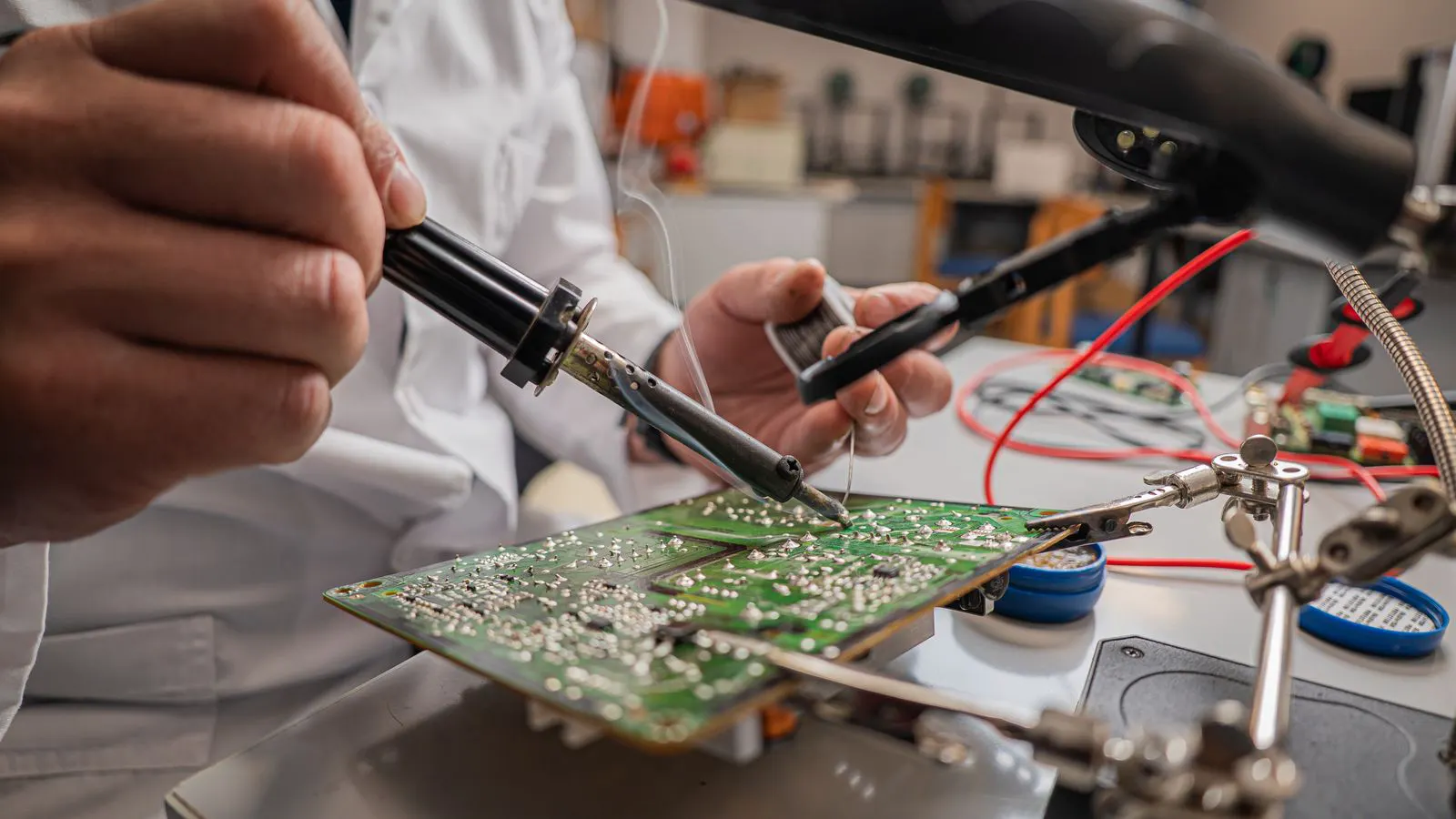
Buyers Guide: Selecting a SMT Line Provider
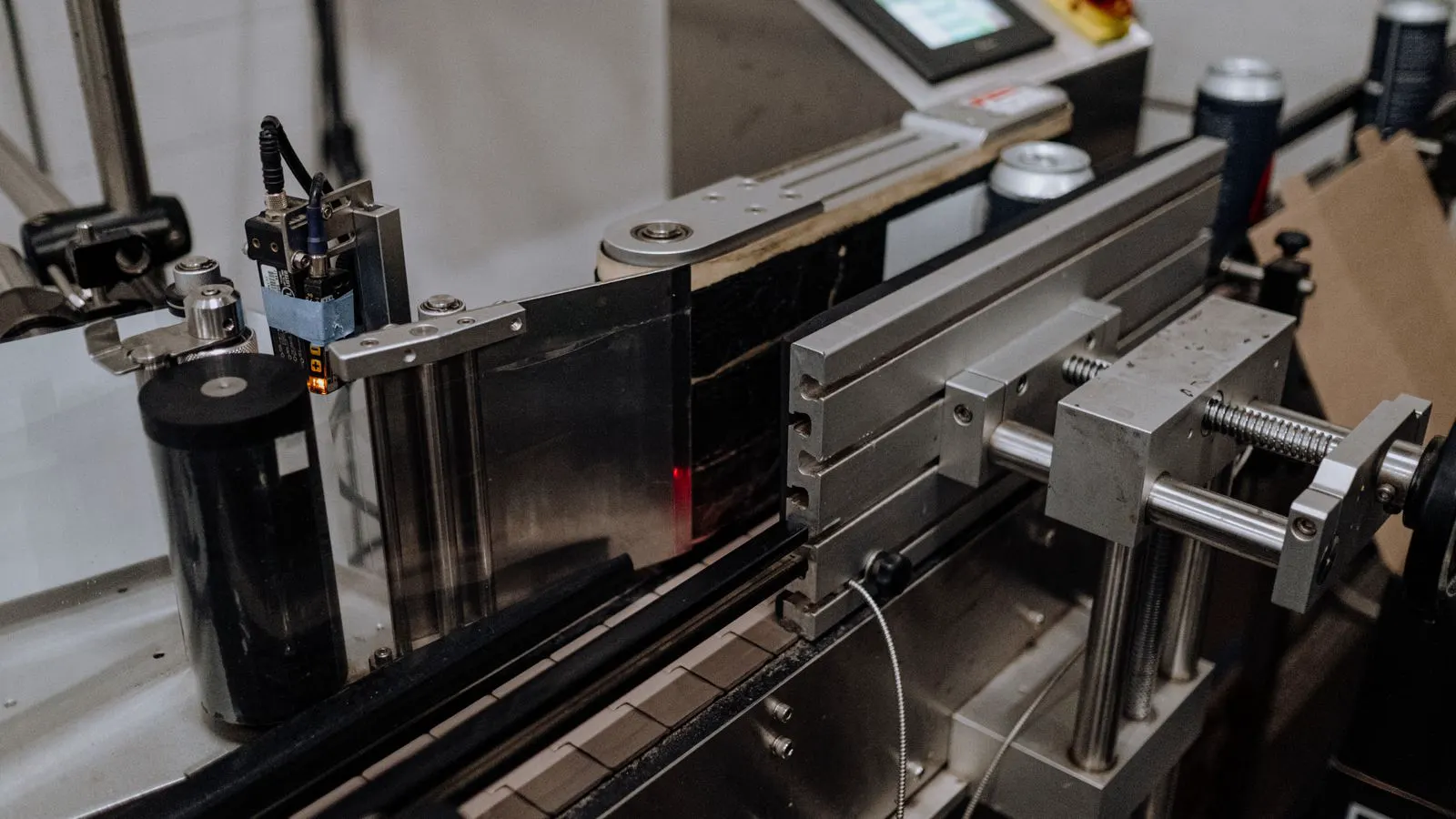
Choose a SMT assembly supplier by verifying capability against your BOM, confirming quality controls, and reviewing capacity. Check references, ask about defect rates, and agree on inspection standards before committing to a contract.
- Match supplier capabilities to your specific component types and board complexity.
- Require defined acceptance criteria and inspection reports for every batch.
- Verify production capacity and supply chain redundancy before long-term agreements.
- Start with a small pilot run to test communication and quality consistency.
Selecting the right SMT vendor requires more than comparing quotes. You need a partner who can handle your specific component mix, maintain tight tolerances, and scale production without compromising yield. The wrong choice leads to rework, field failures, and delayed shipments. The right choice becomes a stable extension of your engineering and procurement teams. The technical fit must match your design intent, and the operational fit must match your production schedule.
Do their capabilities match your BOM?
Your component list drives the technical requirements. If your design includes large power modules, fine-pitch QFNs, or large BGA packages, a generic line may not be sufficient. Ask the provider to review your BOM before quoting. They should identify potential placement or reflow issues immediately. A competent team will flag a 0.4 mm pitch connector before it reaches the line, not after the first batch fails inspection.
For high-density assemblies, check their placement accuracy. Fine-pitch parts need precise alignment. If their placement accuracy is too loose, you will see solder bridges and open joints. Ask for examples of similar assemblies they have completed. A credible supplier will share photos of similar boards and highlight the specific challenges they managed. Look for images of the actual board, not just a generic stock photo of a factory floor. Check the component placement on the top and bottom layers. Verify that the fine-pitch sections look clean and that the larger packages are seated correctly without stress marks on the pads.
Check their reflow capability. Different materials require different temperature curves. A supplier that only runs standard profiles may struggle with your specific paste types or solder alloys. Review their reflow ovens and their ability to adjust profiles on the fly. Ask about their thermal management for mixed-material boards. If you are mixing high-lead and lead-free alloys, or if you have sensitive capacitors with low melting points, the profile must be tuned. Ask how they handle thermal stress during the soak and reflow stages. A good provider will explain how they balance peak temperature, time above liquidus, and cooling rate to prevent cold solder joints and tombstoning.
How do they manage quality control?
Quality control is the difference between a prototype and a production part. A reliable SMT vendor operates a multi-stage inspection system. Ask them to walk you through their process. They should mention Automated Optical Inspection (AOI) and X-ray inspection. Do not just ask if they have the equipment. Ask how they use it.
AOI checks for visual defects like missing components, tombstoning, and solder bridges. X-ray checks internal joints, especially under BGA and QFN packages. If a supplier cannot show you their AOI software or their X-ray reports, ask why. They should provide these reports as part of the standard deliverable. Ask what their AOI software can detect. Can it identify voids under small components? Can it measure solder volume? Can it detect polarized parts? The software is only as good as its programming and the operator’s ability to tune the parameters for your specific board layout.
Do not accept “we have good quality” as an answer. Ask for their defect rate data. How many defects do they find per 1000 boards? Do they keep a log of recurring issues? A transparent supplier will share their most recent quality metrics. Look for a Pareto chart or a simple breakdown of the top three defect types. If their top defect is a specific component type, ask how they are addressing it. Do they change the paste mask? Do they adjust the placement height? Do they reflow with a different profile? The answer reveals whether their quality team is reactive or proactive. Ask about their rework process. How do they remove and re-apply solder? Do they use hot air stations, laser rework, or manual soldering? Each method has a risk of damaging the board or neighboring components.
What is their capacity and lead time strategy?
Capacity determines if they can meet your deadlines. Ask about their peak season availability. If you need production during the holiday rush, you need a partner with dedicated space or a reliable overflow plan. Ask how they manage their line loading. Do they have a separate line for high-volume, repetitive boards? Do they have a separate line for low-volume, complex boards? If they mix both on the same line, changeovers can cause delays. A dedicated line for your production run ensures that your boards are not interrupted by prototyping or repair work.
Lead times vary by complexity. A simple board might move through the line in days. A complex board with multiple rework steps takes longer. Ask for a realistic schedule. Avoid suppliers who promise impossibly fast turnaround. They may cut corners on inspection to meet the date. Ask for a detailed timeline that breaks down each stage: solder paste printing, component placement, reflow, AOI, and X-ray. Ask how long each stage takes and what the bottleneck is. If the bottleneck is reflow, and you need to add a manual inspection step, the total lead time increases. Ask how they handle expedited orders. Do they have a process for fast-tracking a small batch without disrupting the main production line?
Supply chain redundancy is another factor. If a critical component is short, can they source it? Do they have preferred partners for hard-to-find parts? A strong PCBA sourcing partner will flag shortages early and offer alternatives. Ask about their sourcing strategy. Do they buy components from a single distributor or multiple sources? Do they keep a buffer stock for common parts? Do they have a process for validating alternative part numbers? If a component is obsolete, can they source a last-time buy? Can they validate the replacement with your engineering team? Ask how they handle component shortages. Do they notify you immediately, or do they wait until the line is about to stop? Early notification allows you to adjust your production schedule or find alternative suppliers.
How do they handle communication and reporting?
Clear communication prevents costly misunderstandings. Your supplier should assign a single point of contact. This person should understand your project timeline and technical specs. Ask who that person is. What is their role? Do they have direct access to the production floor? Do they understand the technical details of your board? A single point of contact should not be a generic sales representative. They should be someone who can answer technical questions and coordinate with the quality and production teams.
Ask about their reporting frequency. Do they send weekly updates? Do they provide photos of the production floor? Can you access a live dashboard? Transparency builds trust. If they are slow to respond to emails, your project will suffer. Ask about their response times. How long do they take to reply to a question? How long do they take to acknowledge a change request? Set expectations early. Agree on a communication protocol. For example, daily status updates during production, weekly summaries during design phase, and immediate notification for any quality issues. Ask about their escalation process. If a problem arises that requires your input, how do they escalate it? Do they call? Do they send an email? Do they use a shared platform?
Check their document control. They should manage your drawings, BOMs, and revisions carefully. One wrong file version can ruin a batch. Ask how they version control their production files. They should use a system that prevents accidental use of old revisions. Ask how they handle design changes. Do they have a change order process? Do they require your written approval before applying a change? Do they maintain a log of all changes? A good system will show the date, time, and user for each revision. Ask how they handle board revisions. Do they archive old versions? Do they tag the board number to the revision level? This prevents the mix-up of rev A and rev B boards in production.
What are their cost and pricing structures?
Cost is a factor, but not the only one. A low price often signals hidden risks. Ask for a breakdown of their quote. What is the cost of labor? What is the cost of materials? What is the cost of inspection? A detailed quote will show the cost per board, the cost of setup, the cost of inspection, and the cost of materials. Ask if the quote includes the cost of the board material, the components, the solder paste, and the inspection. A low quote may exclude these items, which will be added later.
Hidden costs appear later. Rework, expedited shipping, and engineering changes all add up. Ask about their pricing for changes. If your design changes after the quote, what is the cost impact? A fair supplier will give you a clear answer. Ask about their change order policy. Do they charge for the time to update the files? Do they charge for the time to retrain the operators? Do they charge for the rework of already-produced boards? A transparent supplier will explain the cost of changes before they happen. Ask about their pricing for rework. If a board fails inspection, do they rework it for free? Do they charge for the labor and materials? Ask about their pricing for expedited shipping. Do they offer a discount for standard shipping? Do they charge a premium for overnight shipping?
Payment terms matter too. Do they require full prepayment? Do they offer net terms? Align their payment structure with your cash flow. Do not agree to terms you cannot manage. Ask about their payment terms. Do they require 50% upfront and 50% on completion? Do they offer net 30 or net 60 terms? Do they offer discounts for early payment? Ask about their credit terms. Do they require a letter of credit? Do they require a bank guarantee? Ask about their payment method. Do they accept wire transfer, credit card, or ACH? Ask about their invoicing process. When do they send the invoice? What information is on the invoice? Do they include a detailed breakdown of the costs? A clear invoice helps you track the costs and identify any discrepancies.
How do you validate a new supplier?
Never commit to a full production run without a test. Request a sample or a pilot batch. This is your chance to see their work in action. Ask for a pilot batch of 5 to 10 boards. This is small enough to be cheap but large enough to see if the process is repeatable. Ask them to include a mix of the most difficult components on your board. This will reveal if they can handle the fine-pitch parts and the large packages.
Inspect the sample thoroughly. Look for solder joint quality. Check for component alignment. Verify that the board meets your acceptance criteria. Bring a magnifier. Small defects are easy to miss. Use a 10x magnifier to check the solder joints. Look for cold solder joints, which appear dull and grainy. Look for excess solder, which can cause shorts. Look for insufficient solder, which can cause open joints. Check the component alignment. Are the parts straight? Are they centered? Are the leads seated correctly? Check the board for damage. Are there any cracks in the solder mask? Are there any scratches on the surface? Are there any discolorations?
Evaluate the process. How did they handle your questions? Were they responsive? Did they proactively identify risks? Your first batch will reveal their character. If the sample is good but the communication was poor, be cautious. Ask about their process. How did they prepare the board? Did they clean the board before assembly? Did they apply the solder paste? How did they place the components? How did they reflow the board? How did they inspect the board? Ask about their process for handling defects. How did they identify the defects? How did they repair them? How did they verify the repair? A good supplier will be happy to explain their process. They will be transparent about their methods and their results.
Key criteria for evaluating a SMT assembly supplier
Use this table to compare potential providers during your evaluation phase.
| Criterion | What to look for | Why it matters |
|---|---|---|
| Technical Capability | Placement accuracy, reflow profile flexibility, X-ray inspection | Ensures complex components are soldered correctly and reduces rework. |
| Quality Metrics | Defect rate data, AOI/X-ray reports, rework logs | Provides objective evidence of their quality management system. |
| Capacity | Dedicated line space, peak season availability, overflow plans | Prevents delays when demand spikes or during high-volume runs. |
| Communication | Single point of contact, reporting frequency, responsiveness | Reduces miscommunication and keeps the project on schedule. |
| Pricing Transparency | Cost breakdown, change order policy, hidden fee disclosure | Avoids budget overruns caused by unexpected costs. |
| Supply Chain | Component sourcing options, shortage alerts, alternative proposals | Mitigates risk from material shortages and long lead times. |
Decision checklist
Before signing a contract with a SMT assembly supplier, complete this checklist:
- Confirm the provider has processed your specific component types before.
- Request their most recent quality metrics and defect rate reports.
- Review their communication plan and reporting schedule.
- Agree on acceptance criteria and inspection methods in writing.
- Run a pilot batch and inspect the results against your standards.
- Verify their supply chain contingency plans for critical parts.
- Check their financial stability and production capacity for your volume.
- Confirm their warranty policy for solder joint failures.
- Test their responsiveness to a technical question.
- Review the contract for change order and payment terms.
A reliable partner will pass this checklist without resistance. If they hesitate or provide vague answers, keep looking. Your product depends on their process. Choose carefully.
Frequently asked questions
How do I know if a SMT vendor has good X-ray inspection capability?
Ask to see their X-ray reports for a similar assembly. Check if they can detect buried voids and cracked solder joints. A good vendor will show you the specific defects they found and fixed.
What is the best way to handle design changes during production?
Define a change control process in the contract. Agree on how many changes are included in the base price. Ask for a cost estimate for each additional change. This prevents disputes later.
Should I buy my own components or let the supplier buy them?
It depends on your volume and risk tolerance. Buying your own gives you control but adds logistics. Letting the supplier buy can save time but requires trust in their sourcing. Discuss the trade-offs with your chosen SMT assembly supplier.
How often should I request quality reports?
Request a report for every batch. For long-term projects, ask for a monthly summary. This helps you track trends and catch issues before they become major problems.
What if the supplier cannot meet the deadline?
Identify the bottleneck early. Is it component shortage or line capacity? Ask for a revised schedule immediately. If the delay is severe, consider splitting the order with a secondary vendor.