Buyers Guide: IPC Certification for PCB Suppliers
Procurement teams use IPC certification to verify supplier quality. This guide explains how to check IPC-A-610 compliance, conduct audits, and ensure your PCB assembly vendor meets global manufacturing standards without relying on marketing claims.
- Verify supplier IPC certification status directly with the issuing authority.
- Review audit reports for specific findings related to IPC-A-610 acceptance criteria.
- Distinguish between passing a single inspection and maintaining a continuous quality management system.
- Request specific documentation, such as work instructions and training records, during a supplier audit.
What IPC Certification Actually Means for Buyers
Procurement managers often see “IPC Certified” on a supplier’s website. That phrase alone tells you very little. IPC certification refers to a specific set of standards and training programs developed by the International Association for Electronics Manufacturing. It is not a single badge you hang on your wall. It is a framework for acceptance criteria and worker competency.
When you ask a vendor if they are IPC certified, you are really asking about the people on the floor. It means their operators have been trained on how to inspect solder joints, stencil printing, and rework. It means their quality department follows defined rules for what constitutes a pass or a fail on a finished board.
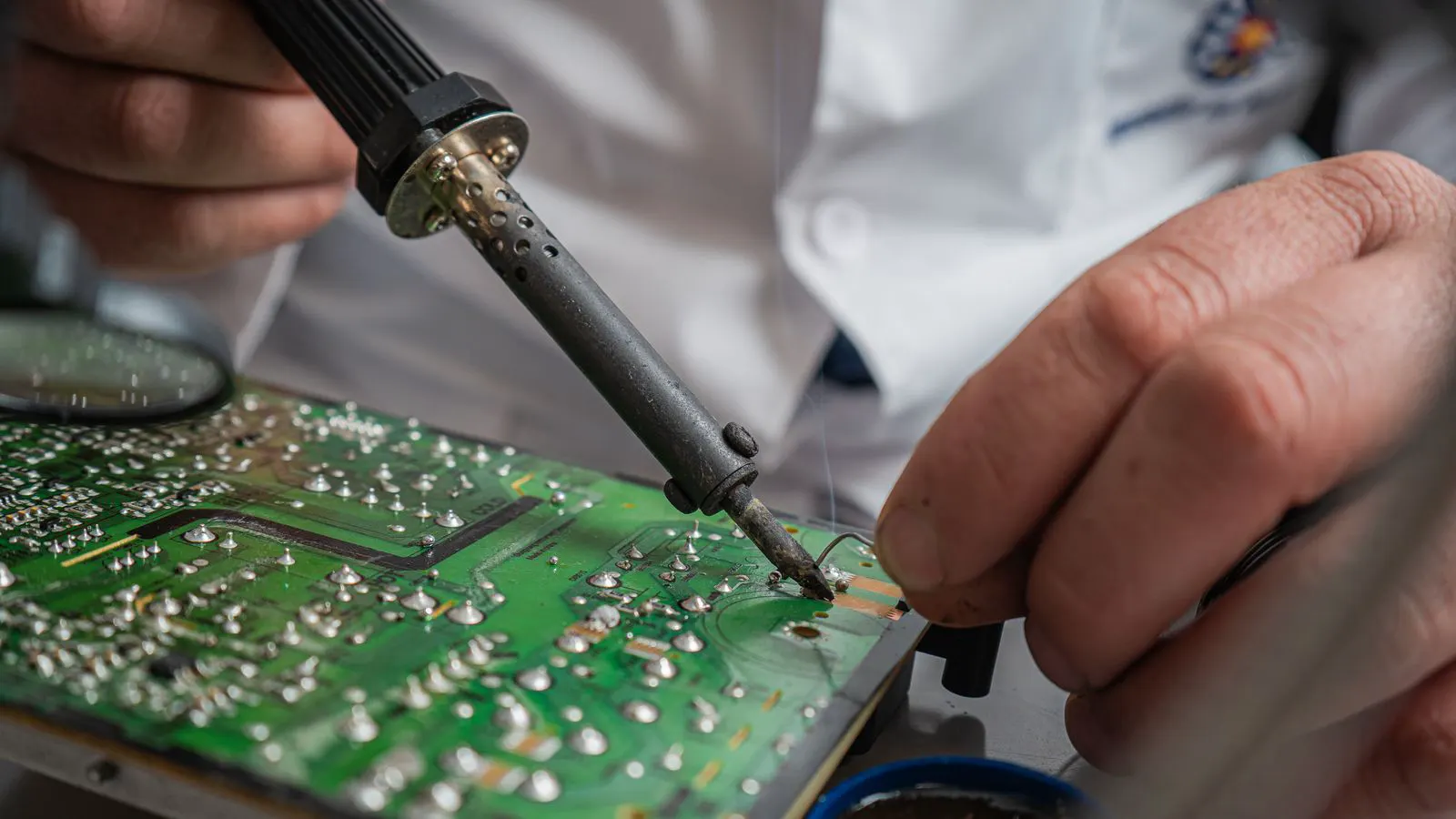
The most common standard for buyers is IPC-A-610. This is the acceptance criteria document for electronic assemblies. If your supplier cannot explain how they apply IPC-A-610 to a specific defect, such as a solder bridge or a lifted pin, the certification claim deserves a closer look.
Why IPC-A-610 Is the Baseline for PCB Assembly
IPC-A-610 defines the acceptance and rejection criteria for electronic assemblies. It covers everything from board fabrication to final assembly. It tells you what a good joint looks like and what a bad one looks like.
For a buyer, this standard is your shared language with the supplier. Without it, you are arguing about opinions. With it, you are arguing about standards. A solder joint that fails IPC-A-610 is a defect, regardless of whether the supplier’s internal engineer thinks it looks “fine.”
The standard is updated periodically. Your supplier should be current on the latest revision they use. Ask which revision they follow. If they are still using an outdated version for a new product, that is a red flag for their quality management process.
How to Verify IPC Certification Status
Do not take the supplier’s word for it. The International Association for Electronics Manufacturing maintains a public registry of certified organizations and certified individuals. You can access this registry on their website.
Search for the company name. Look for the specific certification type. A company might be an “IPC Certified Organization” or have “IPC Certified Individuals.” These are different things. The former means the organization has a quality system. The latter means specific people have passed exams.
Check the expiration date. Certifications expire. A supplier that renewed their status last year but not this year may have lapsed training. Check the scope of the certification. Some certifications cover specific locations or specific service types. Ensure the scope includes the location where your board will be assembled.
What a PCB Supplier Audit Should Cover
A supplier audit is your chance to see the reality behind the paper. You are looking for evidence that the certification is applied daily. Do not just ask if they follow the standard. Ask to see the work instructions that reference the standard.
Look at the training records. Operators should have records showing they were trained on IPC-A-610. Check the dates. If a new operator started three months ago, did they get trained before handling live boards?
Inspect the quality control station. Are they using magnification? Are they using the correct lighting? Is there a clear reference to the acceptance criteria on the screen or the clipboard? A supplier that relies on “eyeball” inspection without a reference standard is not truly compliant.
Ask about the non-conforming product process. What happens when a board fails? Is there a clear path for rework? Is there a record of the failure? If the process is vague or undocumented, the audit finding should be recorded.
How to Read an IPC Audit Report
When a third-party auditor or your internal team reviews a supplier, they generate a report. Read the findings, not just the score.
Look for “Major” findings. These are issues that directly violate the standard or the supplier’s own quality procedures. A major finding regarding IPC-A-610 compliance is serious. It suggests the supplier is shipping defective product.
Look for “Minor” findings. These are gaps in documentation or process. They show weakness but not immediate failure. A supplier with several minor findings but no major findings is generally safer than one with a single major finding.
Check the corrective action plan. After the audit, the supplier must submit a plan to fix the issues. Read the plan. Does it address the root cause? Or is it a band-aid fix like “retrain staff”? A root cause analysis is what you want to see.
Criteria for Choosing an IPC Compliant Supplier
| Criterion | What to look for | Why it matters |
|---|---|---|
| Certification Status | Valid IPC Certified Organization status in the public registry | Confirms the supplier has a formal quality system and trained staff. |
| Standard Revision | Current IPC-A-610 revision used in work instructions | Ensures you are not shipping product based on outdated acceptance criteria. |
| Training Records | Operator training logs with dates and specific IPC modules | Verifies that the people on the floor actually know the standard. |
| Audit Findings | History of major vs. minor findings in recent audits | Shows the trend in quality performance and how issues are handled. |
| Non-Conformance Log | Access to recent defect reports and rework records | Demonstrates transparency and a working corrective action process. |
| Equipment | Calibrated measurement tools and inspection aids | Ensures that pass/fail decisions are based on data, not guesswork. |
Decision Checklist for Your Next Supplier
Before you award a purchase order, run your supplier against this checklist.
- Can the supplier provide a copy of their current IPC certification?
- Do they have a specific IPC-A-610 acceptance criteria document for your product type?
- Can they show you the training records for the shift that will build your board?
- Have they had a recent third-party audit? If yes, request the summary report.
- Do they have a documented process for handling and reworking non-conforming assemblies?
- Will they provide a sample of their quality control report for a similar product?
- Do they have a point of contact for quality issues who has direct authority to escalate?
If a supplier cannot answer these questions clearly, move on. You do not need a perfect supplier. You need one that is transparent and capable of proving its quality. The goal is to reduce risk before the product reaches your test bench.
How to Handle Supplier Non-Compliance
Sometimes you find out after the fact that a supplier failed an audit or shipped a batch with defects. Do not panic. Start by documenting the specific failure. Is it a solder joint issue? A component placement error?
Notify the supplier’s quality manager. Refer to the specific clause in IPC-A-610 if possible. This makes the conversation objective. Avoid emotional language. Focus on the data.
Request a root cause analysis. Ask for the corrective actions taken. Ask for prevention steps. Do not accept “we will be more careful” as an answer. You need a process change.
If the issue is critical, consider pausing new orders. You might need to bring the assembly in-house or use a second source for the immediate need. Keep the supplier on record. If the corrective actions are not verified, you have grounds to terminate the contract.
Final Thoughts on Verification
IPC certification is a tool, not a guarantee. It provides a baseline for quality. It gives you a standard to measure performance against. But the value comes from how the supplier uses that standard every day.
Your job as a buyer is to verify that the standard is alive on their floor. Check the registry. Read the audit reports. Ask for the documents. Build a relationship based on evidence, not promises.
The right supplier will welcome your questions. They will not be defensive. They will show you their records because they know their process is sound. That transparency is the real value of IPC certification.
Frequently asked questions
Can a supplier be IPC certified for one location but not another?
Yes. Certifications are often tied to specific facilities or scopes of work. A supplier with multiple plants may have certification at one site but not another.
Is IPC-A-610 the only standard I need to check?
No. Depending on your product, you may also need to check IPC-A-611 for design or IPC-A-623 for rework. However, A-610 is the baseline for final assembly acceptance.
How often should I audit a supplier?
There is no fixed rule. It depends on risk, product complexity, and past performance. High-risk products often require annual or bi-annual audits.
What if a supplier refuses to share their audit reports?
This is a red flag. Legitimate suppliers with a mature quality system are usually willing to share summaries or specific findings relevant to your product.
Does IPC certification cover software and firmware?
No. IPC standards primarily cover the physical assembly and inspection of electronic products. Firmware quality is usually covered by separate internal processes or other standards.