Cost and Lead Time for UL and CE Certified PCBs
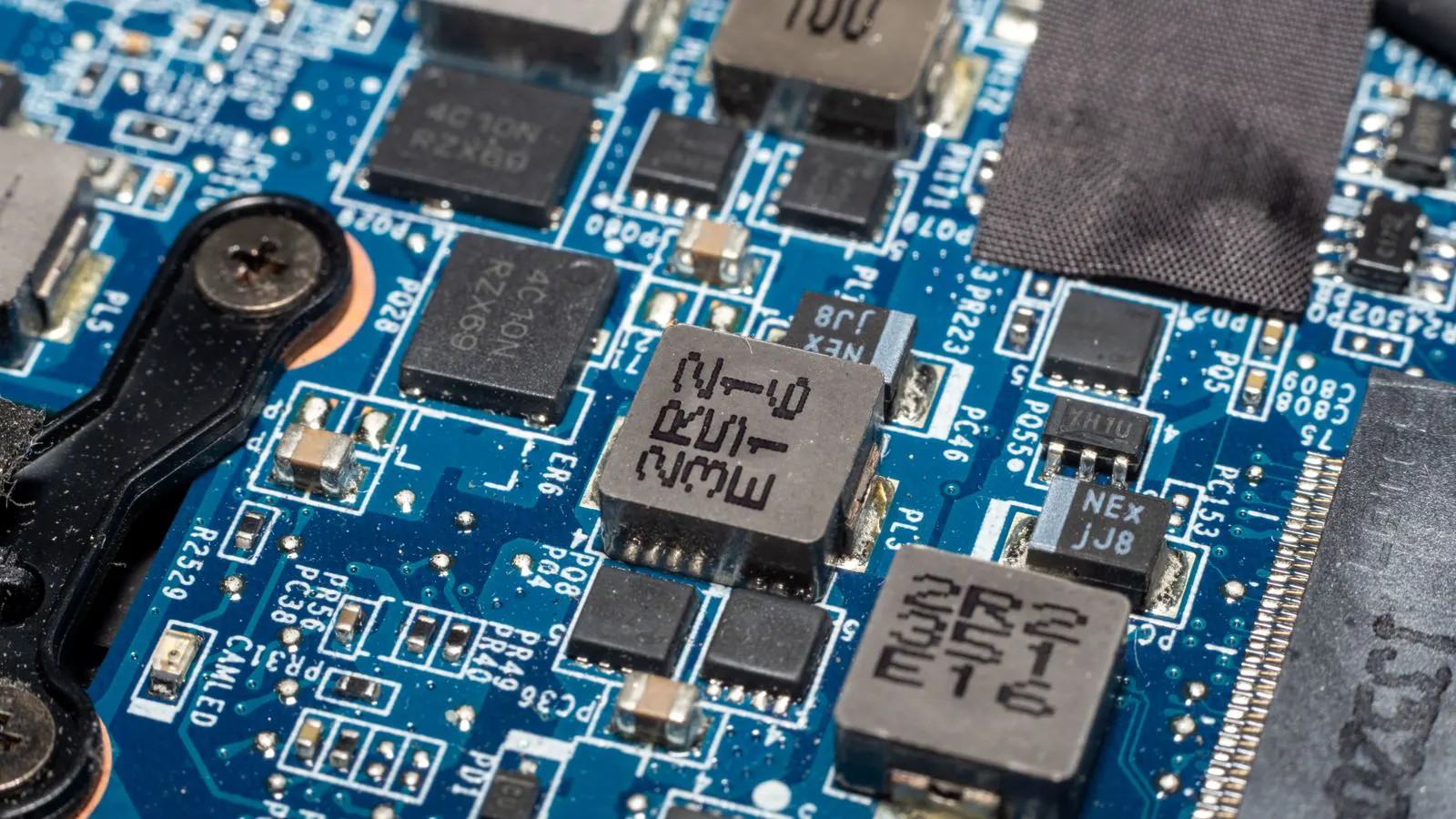
Certification cost for UL and CE compliant PCBs depends on product complexity, documentation quality, and test scope. Lead time extends beyond fabrication when third-party labs are involved. Clear RFQs and early document review reduce surprises and speed up delivery.
- Certification cost is driven by test scope, documentation readiness, and revision history, not just board size.
- UL certification typically involves physical testing of the finished product, which adds distinct lead time.
- CE compliance often relies on internal declaration or notified body support, affecting both cost and schedule.
- Clear RFQs that specify required standards and documentation reduce rework and quote variance.
What drives certification cost for PCB projects
Certification cost for safety and compliance testing rarely reflects a single line item. It combines engineering review, test execution, documentation, and sometimes rework after initial failure. For UL and CE compliance, the largest variables are product complexity, test scope, and the state of your design files before the lab receives them.
A simple control board with standard components and a well-defined enclosure may test quickly. A multi-board system with high current power stages, battery packs, or thermal management features requires deeper testing. The lab must verify insulation, creepage, clearance, temperature rise, and mechanical safety. Each added feature increases test time. More test time means higher labor and facility costs. Consider a power supply unit that steps down from mains voltage to low voltage rails. The lab checks the insulation between live conductors and chassis, measures temperature rise on transformers and inductors, and verifies that the enclosure withstands impact without exposing sharp edges. A basic sensor node with a microcontroller and a low voltage regulator skips much of that work. The gap between these two examples explains why two quotes for “PCB certification” can differ by an order of magnitude.
Documentation quality directly affects cost. If your drawings, schematics, and BOM are incomplete, the lab spends time clarifying. Every clarification slows the project and increases administrative cost. Inconsistent component markings or missing part numbers can force the lab to pause testing while they request replacement parts or clarification. Imagine a board where a resistor is marked “4.7k” but the schematic calls for a 5% tolerance and a specific mounting footprint. The lab may not know which tolerance class the physical part actually has. They must stop, photograph the part, and email your team. That exchange costs billable hours and delays the test window. Clean documentation prevents this.
How lead time changes with certification requirements
Lead time for certified PCBs extends well beyond fabrication and assembly. The schedule splits into three phases. First, internal design review and document preparation. Second, lab testing and inspection. Third, final reporting and certification issuance.
UL certification generally requires physical testing of the finished product or representative samples. The lab must receive units that match the production configuration. If you need a type file for the board itself, the lab examines construction, material, and component placement. If you are certifying the end product, the lab receives the assembled system. The difference matters. A type file for a bare PCB covers the board construction, copper weight, and solder finish. It does not cover how the board behaves when powered. A product certification covers the entire assembly, including the enclosure, wiring, and user interface. The latter takes longer because the lab must test the system in its intended operating environment.
CE compliance follows a different path. Many PCB products can meet CE requirements through a self-declaration under applicable directives. For some applications, a notified body is required. The notified body review can add weeks or months. The timeline depends on whether your product falls into a low-risk category or one requiring third-party assessment. If you are building a medical device or a product that interfaces with high voltage mains, the notified body will likely require detailed technical files and witness testing. If you are building a low voltage data acquisition board, you may be able to complete the process internally with a test report from a third-party lab and a self-declaration. The distinction changes the entire project schedule.
How to write a clear RFQ for certification
A clear RFQ reduces ambiguity and helps suppliers and labs give accurate quotes. Start with the product description. Include board size, layer count, finish, and component count. List the specific standards you require. Name the UL or CE directives where applicable. State whether you need a type file, a production license, or a full product certification.
Include the quantity you plan to test. Labs price testing based on sample count. If you need five units, the cost differs from testing one. Specify whether you are providing the enclosure, power supply, and cables, or if the supplier must source them. Missing components are a common delay. If your RFQ says “test the assembly” but you only send the bare board, the lab cannot proceed. They must either stop or ask you to clarify. Both options cost time.
Request the deliverables in writing. Do not assume what a certification package includes. Ask for test reports, certificates, type files, and any compliance declarations. Ask for a timeline that includes lab booking, testing, and document review. Ask for a revision policy if testing fails. For example, state clearly: “If the initial test reveals a clearance violation, please provide a written report detailing the failure and the estimated cost to retest after correction.” This prevents surprise invoices and ensures you understand the financial exposure of a failed test.
How to compare quotes fairly
Suppliers quote certification differently. One may include lab fees, documentation, and shipping. Another may quote only the board and leave certification as an add-on. To compare quotes fairly, break each line item into the same categories.
Compare the scope of testing. Does the quote cover only the board, or the full assembly? Does it include power supply testing? Does it include environmental stress testing? A lower price that excludes critical tests is not a lower price. It is a deferred cost. If one supplier quotes $500 for “board certification” and another quotes $800 for “product certification,” the $500 quote may not cover the tests your end customer requires. You need to match the quote to the actual compliance need.
Compare the document package. A quote that includes full test reports and compliance declarations is more useful than one that only provides a certificate. The reports support your internal quality system and customer audits. A certificate is a statement. A test report is evidence. If you are selling into regulated industries, your customers will ask for the reports, not just the certificate.
Compare the schedule. Ask for a milestone breakdown. When does the lab receive the product? When does testing start? When is the final report issued? A quote that promises a fast delivery without a milestone plan is risky. Ask for the date the lab books the slot. Ask for the date the test technician starts the electrical testing. Ask for the date the report is drafted. These dates give you a realistic view of the timeline and allow you to plan your own internal reviews around them.
Key cost drivers and lead time factors
The table below lists common factors that affect certification cost and delivery time. These variables apply to both UL and CE compliance.
| Factor | Cost Impact | Lead Time Impact |
|---|---|---|
| Product complexity | High for multi-stage power or battery systems | Longer test windows |
| Documentation quality | Lower cost with complete files | Faster lab start |
| Sample quantity | More samples increase test cost | More units to prepare |
| Test scope | Broader scope adds labor and fees | Extended lab time |
| Revision history | Rework adds engineering and lab fees | Delayed certification |
| Shipping logistics | International shipping adds cost and risk | Added transit days |
How to reduce certification delays
Delay usually comes from preparation, not testing. Review your design against the applicable standard before sending it to the lab. Check component ratings, insulation materials, and enclosure design. A small design change early in the process is cheaper than a retest after failure. For instance, if a heat sink is too close to a live trace, moving the heat sink or adding a spacer is a one-time cost. Failing the test and redesigning the board is a cycle that costs more and takes weeks.
Prepare your documentation in advance. Compile the BOM, schematics, drawings, and user manual. Ensure component data sheets are available. If the lab cannot verify a part, testing pauses. Create a single folder with all files named consistently. Include the revision level of every document. If you send a schematic from revision A but the board is built from revision B, the lab will flag the discrepancy. This prevents confusion and ensures the lab is testing the correct version of your design.
Book the lab early. Lab schedules fill, especially during peak seasons. If your project has a hard deadline, request a slot at the start of the RFQ phase. Do not wait until the board is assembled to contact the lab. Lab booking can take time, particularly if you need specific test equipment or a large test chamber. By reserving the slot early, you protect your timeline and reduce the risk of slippage.
What to expect from the final package
When certification completes, you should receive a set of documents. For UL, this may include a certificate, test report, and type file. For CE, you may receive a compliance declaration, technical documentation, and test reports. Keep these files in your quality records. They support future design changes, customer audits, and re-certification when components change.
The test report is the most detailed document. It lists each test performed, the result, and the applicable standard clause. If a test passes, the report may show a checkmark. If a test fails, the report details the failure and the corrective action. You will need this report to demonstrate compliance during an audit. The certificate is a summary. It confirms that the product met the requirements at the time of testing. The type file is a reference document that identifies the specific configuration that was tested. If you change a component, you must check whether the type file still applies.
How to plan for the long term
Certification is not a one-time task. It is a maintenance cycle. As you update components, revise boards, or change enclosures, you must reassess compliance. Build certification review into your product development timeline.
Assign an owner for compliance documentation. This person tracks revisions, maintains the document package, and communicates with suppliers and labs. A single point of contact reduces errors and speeds up responses. When a component is substituted, this owner checks the new part against the original certification. They verify that the new part has the same ratings, same footprint, and same insulation characteristics. They update the BOM and the technical file accordingly.
Review your supplier relationship. A supplier with experience in UL and CE projects can provide better documentation and faster support. Ask for examples of past certification work. Request references from similar projects. A supplier who has handled complex multi-stage power systems will understand the nuances of creepage and clearance. They will provide clearer drawings and more accurate BOMs. This reduces the number of clarifications the lab needs and shortens the certification cycle.
Frequently asked questions
Does certification cost increase with board size?
Board size is only one factor. Cost rises more with product complexity, test scope, and documentation requirements than with physical dimensions alone.
Can I use the same PCB for UL and CE testing?
Often, yes, but the test focus differs. UL may require physical safety testing of the finished product. CE may rely on internal declaration or notified body review.
How long does UL certification usually take?
Timeline depends on lab availability, product complexity, and document readiness. A simple board may test in weeks. A complex system may take months.
What documents do I need before sending a PCB to a lab?
Prepare schematics, BOM, drawings, component data sheets, and user manuals. The lab needs complete information to start testing without delays.
Can I reduce certification cost by changing components?
Yes, if the change simplifies the design or reduces test scope. However, component changes can also trigger retesting, so evaluate the full impact before making them.