SMT Assembly Cost and Lead Time Factors

PCBA assembly costs and lead times depend on board complexity, component count, testing levels, and quantity. A clear RFQ with accurate data reduces surprises and speeds up production planning.
- Cost and delivery are driven by board complexity, component count, and testing requirements.
- A precise RFQ with Gerber, BOM, and assembly drawings prevents rework and delays.
- Quantity, material lead time, and test coverage change final pricing more than the base line rate.
- Compare quotes by isolating per-unit price, tooling, and testing fees rather than the total alone.
- Early production planning with realistic buffers reduces pressure on assembly and delivery dates.
What drives the price of PCBA assembly
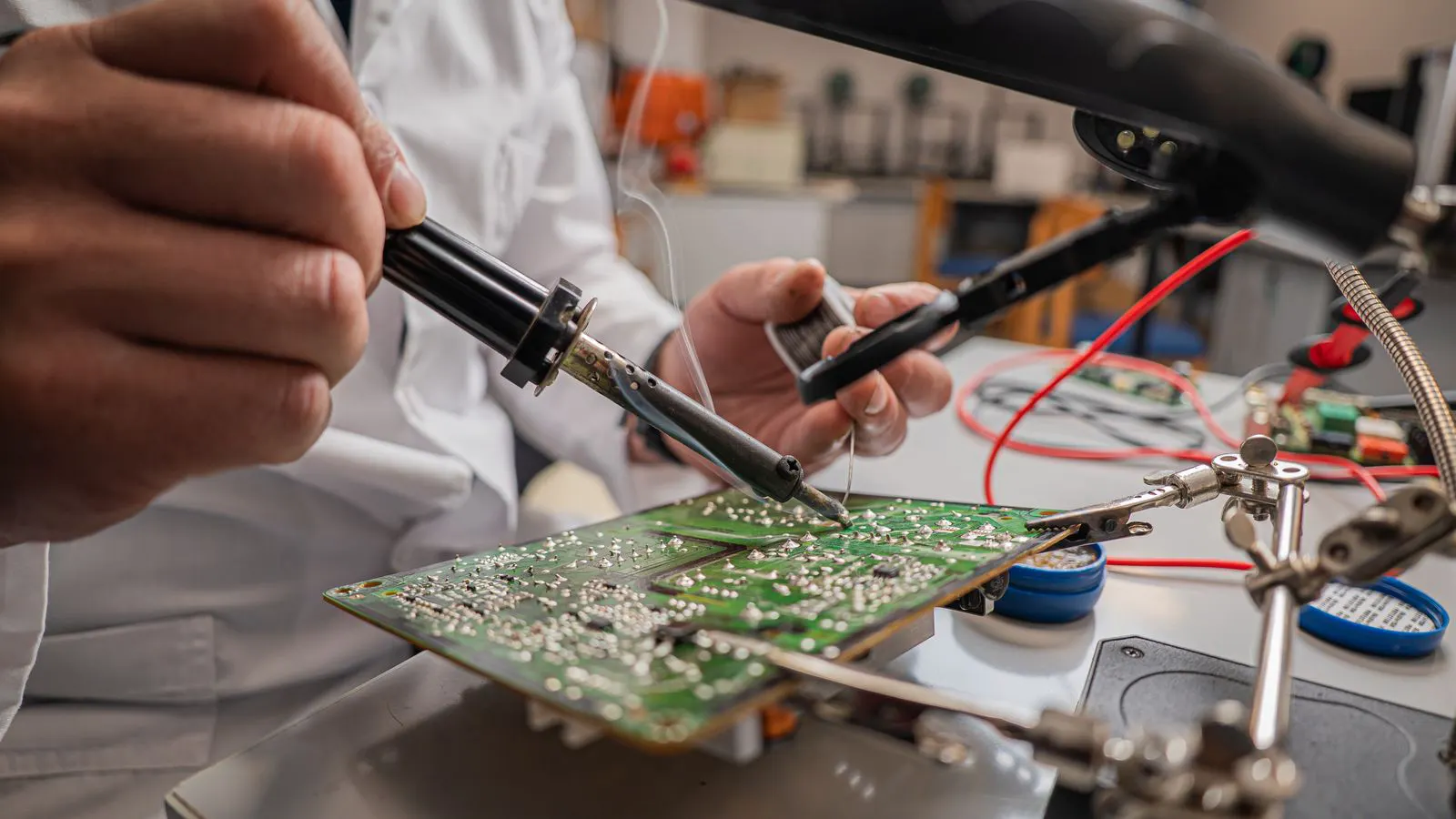
The base cost of a single board is only part of the picture. A manufacturer prices the full operation. They account for material handling, solder paste, reflow ovens, inspection, test fixtures, and labor. A board with a few resistors and a single microcontroller is not priced the same as a board carrying a large power stage, a high-speed connector, and a custom shield.
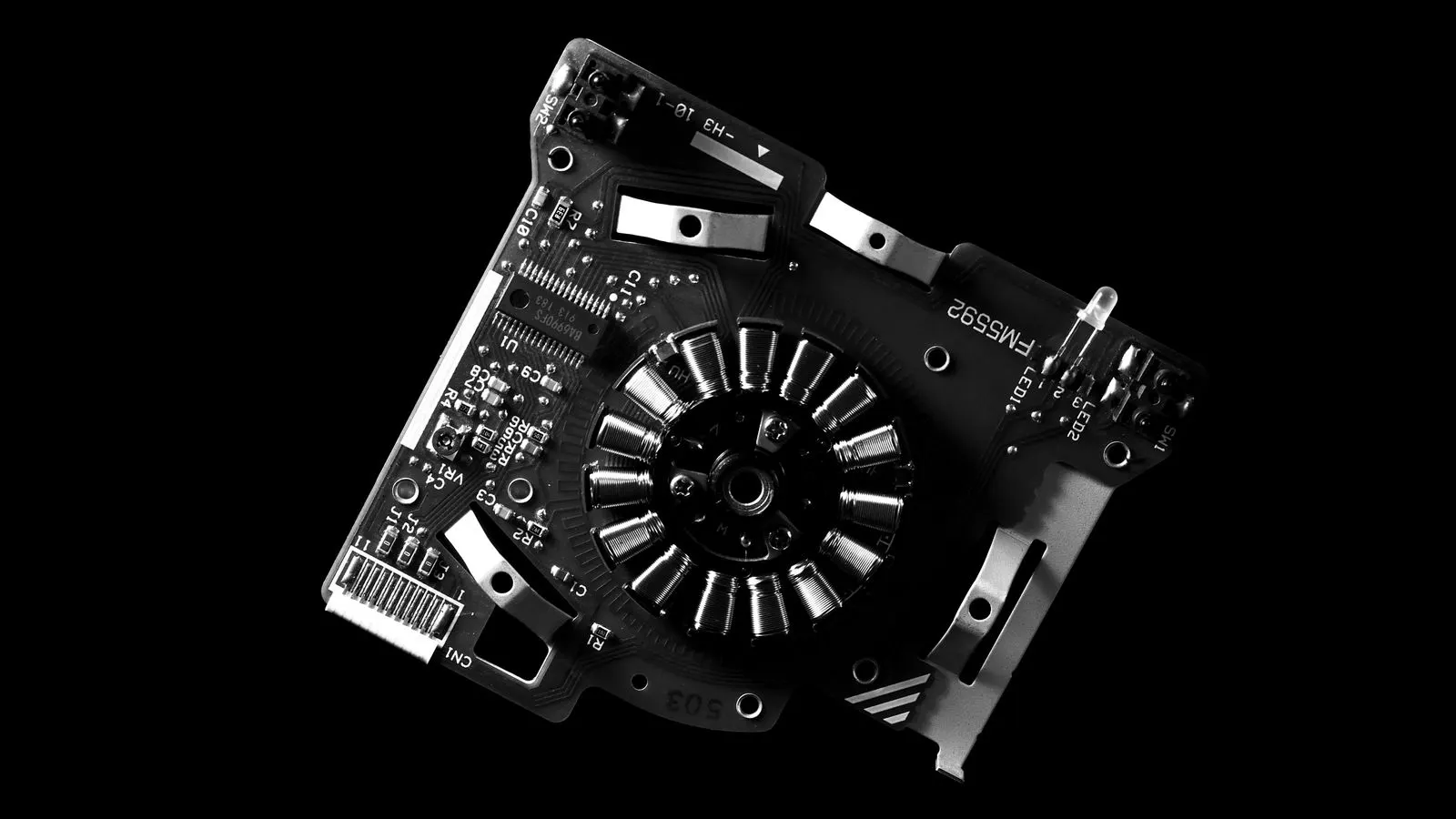
The per-unit price moves in predictable directions. More components on the board usually raise the price. More complex components raise it further. A chip with 280 pins takes longer to place and inspect than a 6-pin resistor. Thin gauges and tall components increase the risk of damage and require more careful handling.
Board size and thickness also matter. A larger board uses more oven space and transport time. A thicker board may need a different reflow profile and more mechanical support during transport. If the board uses a special substrate or an unusual finish, the handling and cleaning steps change as well.
How quantity and batch size affect lead time
Quantity changes the economics of the run. A small batch of fifty boards often carries a higher per-unit cost than a batch of ten thousand. The setup cost is spread over fewer units. A large order can also trigger longer lead times if the materials are not in stock.
Lead time is not just the reflow cycle. It includes the time to receive the PCBs, verify the BOM, prepare the pick-and-place machine, run the first board, and pass inspection. A manufacturer may need several days to qualify a new board. If the design changes after the first run, the whole process restarts.
Small orders often get a longer calendar time because they share production slots with larger jobs. A manufacturer may group several small batches together to fill a shift. The boards may sit for a day or two before the next batch is released. This is normal. It is also why the lead time in the quote should include the full path from receipt to delivery, not just the machine time.
How to write a clear RFQ
A vague RFQ produces a vague quote. The quote may be based on assumptions that do not match the real design. The final cost then changes when the manufacturer asks for clarification.
The RFQ should include the following items:
- Gerber files and the board finish specification.
- Bill of materials with part numbers, quantities, and manufacturer codes where available.
- Assembly drawings or pick-and-place data if available.
- Testing requirements, including electrical test, X-ray, or visual inspection levels.
- Quantity and the required delivery date.
- Packaging and labeling instructions.
- Any special handling notes, such as orientation, stacking, or temperature limits.
If the BOM has alternate parts, list them. If a component has a long lead time, say so. If the board has a connector that must be populated after assembly, note it. These details save hours of back and forth and reduce the chance of a surprise charge.
How to compare quotes fairly
Two quotes for the same design can look very different if they are not compared on the same basis. One quote may include X-ray inspection. The other may include only automated optical inspection. One may include a test fixture. The other may not. The per-unit price is not enough.
Look at the line items. A quote that lists the base assembly rate, the inspection fee, and the test fixture separately is easier to compare than a single lump sum. A quote that includes the cost of the Gerber data and the BOM cleanup is more complete. If one quote includes a 10 percent margin for scrap and the other does not, the final price will differ when defects appear.
Ask for the same scope of work in every quote. Write the scope in plain language. For example, “Include automated optical inspection and a functional test on a sample of boards.” Do not assume the manufacturer will include the same tests. The scope of test work can change the cost by a significant amount.
How board complexity changes the cost
Complexity is the main driver of both price and lead time. A board with dense fine-pitch components requires a higher placement accuracy. The machine must be tuned. The solder paste must be screened correctly. The reflow profile must be adjusted to avoid bridging.
A board with mixed SMT and through-hole components adds a step. The through-hole section may be wave soldered after the SMT process, or it may be soldered separately. The sequence matters. If the through-hole section is soldered first, the SMT components may be placed on a board that has already been heated. If the SMT section is done first, the through-hole section must be handled carefully to avoid disturbing the solder joints.
A board with a large connector or a heavy power component may need a custom fixture. The fixture holds the board in place during the wave soldering or the final test. The fixture is a cost item. It is also a lead time item. If the fixture must be built for the job, the manufacturer needs time to design and build it.
How testing and quality requirements affect cost
Testing is not an optional extra. It is a cost factor. Every level of testing adds time and labor. A board that passes a simple visual inspection is cheaper than a board that passes a full electrical test and an X-ray check.
The type of test also matters. A boundary scan test checks many points on the board at once. It is faster than a manual probe test but requires a test fixture and a test program. A functional test runs the board through a set of conditions. It is more thorough but slower.
The quality level requested changes the cost. A customer may ask for 100 percent inspection. Another may ask for a sample. The inspection method also changes. Automated optical inspection is fast and repeatable. Manual inspection is slower and more variable. A customer who asks for both may be paying for two layers of verification.
How to plan for lead time and cost together
The best way to manage cost and lead time is to plan them together. A design that is easy to assemble is cheaper and faster. A design that is difficult to assemble is more expensive and slower. The two are linked.
The production plan should include the full path. Start with the design freeze. Then add the time for the Gerber release, the BOM cleanup, the material procurement, the first article inspection, the full run, and the final test. If the delivery date is fixed, the plan must account for each step. If a step slips, the delivery date slips.
A buffer is not a waste. It is a plan. A board that is ready for shipment one week early is not a problem. A board that is ready one week late is a problem. The buffer protects the customer and the manufacturer from the small delays that happen in every production run.
How to reduce cost without cutting quality
Cost reduction comes from design clarity and stable materials. A board with stable part numbers and short lead times is easier to price. A board with many obsolete parts is harder. A board with a clear assembly drawing is easier to build. A board with a vague drawing is slower.
The customer can reduce cost by providing the data in the right format. A clean BOM with no missing part numbers saves time. A clear assembly drawing with orientation and stacking notes saves rework. A stable design with no late changes saves the whole cycle.
The customer can also reduce lead time by planning early. If the delivery date is known, the manufacturer can order materials early. If the quantity is known, the manufacturer can book production slots. If the test requirements are known, the manufacturer can prepare the test program. Early information saves time and money.
| Cost Driver | Effect on Price | Effect on Lead Time |
|---|---|---|
| Component count | More components raise the base rate | More placement and inspection time |
| Part complexity | Fine-pitch and tall parts raise the rate | More tuning and verification required |
| Board size and thickness | Larger boards use more space and time | More transport and handling time |
| Quantity | Smaller batches have higher per-unit cost | May share production slots and wait |
| Testing level | More tests add labor and fixtures | More time for each test cycle |
| Material availability | Long-lead parts raise the total cost | Procurement delays the start of assembly |
What to ask before accepting a quote
Before accepting a quote, ask a few direct questions. What is included in the base assembly rate? What is not included? What is the test coverage? What is the defect rate assumption? What is the scrap allowance? What is the lead time from receipt to delivery?
If the quote does not answer these questions, the quote is not complete. A complete quote is a plan. It tells the customer what will be done, how it will be done, and what it will cost. A vague quote is a gamble. It shifts the risk to the customer and creates friction later.
The goal is not to find the lowest price. The goal is to find the right price for the right scope. A quote that is too low may be hiding missing tests or hidden rework. A quote that is too high may be padding the scope. A clear quote is the best tool for planning. It turns a guess into a number. It turns a guess into a schedule.
Frequently asked questions
What is the biggest driver of PCBA assembly cost?
The biggest driver is board complexity. Component count, part type, and testing requirements change the price more than the base machine rate.
How does quantity affect lead time?
Small batches often wait for production slots and may share a shift with larger jobs. Large batches can trigger longer material lead times if stock is low.
What should a good RFQ include?
A good RFQ includes Gerber files, a complete BOM, assembly drawings, test requirements, quantity, delivery date, and packaging notes.
How do I compare two quotes for the same board?
Compare the scope of work, not just the total price. Check what tests are included, whether a fixture is needed, and what is excluded from the base rate.
Can I reduce cost by changing the design?
Yes. A stable design with short-lead parts and clear assembly notes is easier to price and faster to build. Late changes increase both cost and lead time.