Comparison: ENIG vs HASL vs Immersion Silver PCB Finishing
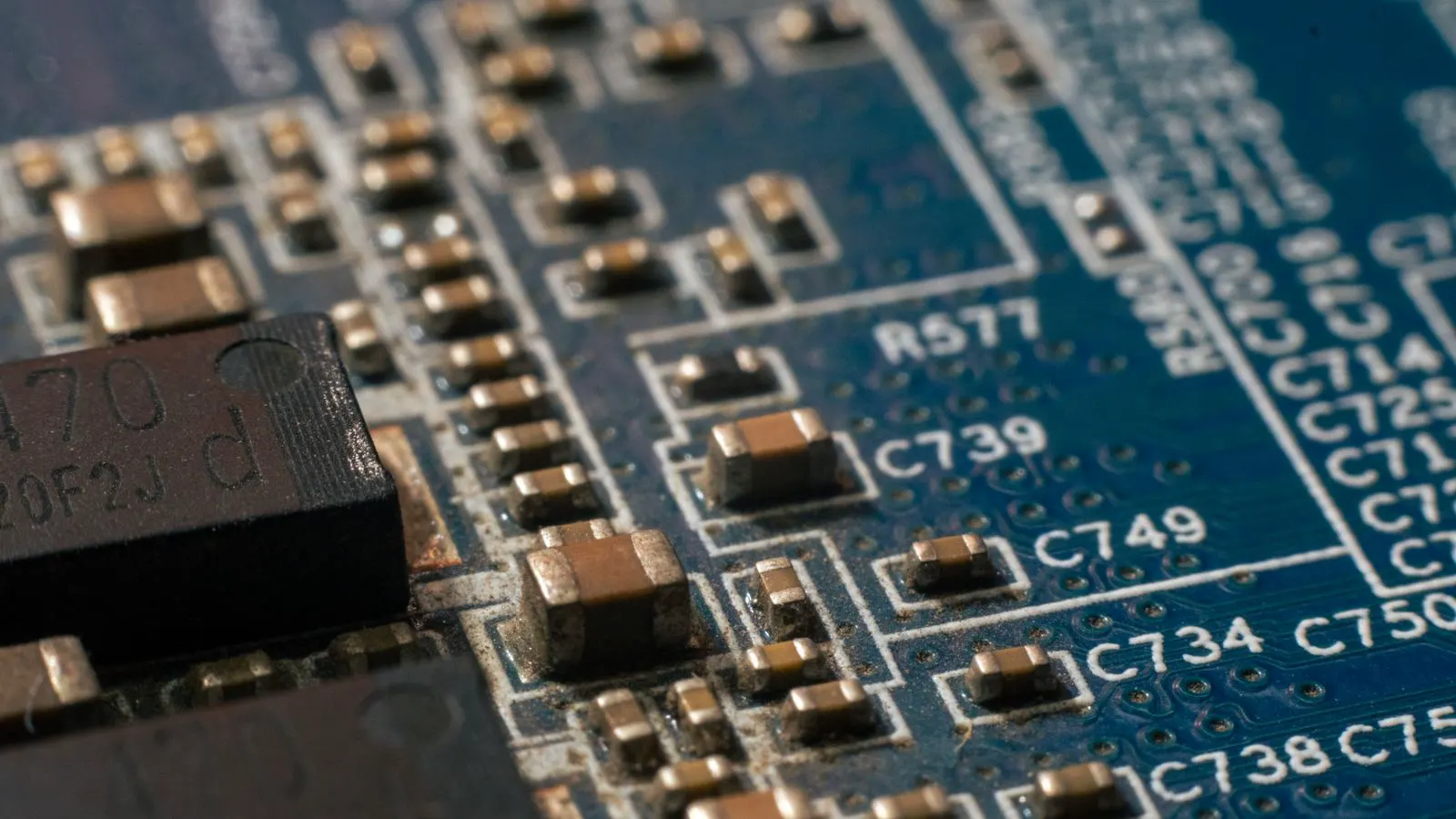
PCB finishing options like ENIG, HASL, and immersion silver each trade cost, plating thickness, and solderability differently. Engineers must match the finish to their board's component density, rework needs, and corrosion exposure. The table below outlines the core trade-offs for each method.
- ENIG offers high plating thickness and excellent corrosion resistance, making it ideal for high-reliability and multi-level assemblies.
- HASL is a low-cost, high-volume option suitable for boards with standard solderability requirements and minimal rework.
- Immersion silver provides a thin, conductive finish that balances cost and performance, though it carries a sulfidation risk during storage.
- The choice of finish must align with the component type, assembly process, and environmental exposure of the final product.
How Surface Finishes Affect Assembly Yield
The surface finish of a printed circuit board is not just a cosmetic detail. It directly determines how a soldering process behaves, how a board stores, and how long the connections remain reliable. When selecting a PCB finishing option, engineers must look past the initial fabrication cost. The true cost appears during assembly, testing, and field service.
A board with a poor finish may pass incoming inspection. It can fail during reflow soldering or after six months in a high-humidity environment. This is why the choice between ENIG, HASL, and immersion silver is a decision that starts at the schematic stage.
Quick Comparison of the Three Main Options
| Option | Best for | Limitations |
|---|---|---|
| ENIG (Electroless Nickel Immersion Gold) | High-reliability, high-density, or multi-level assemblies. | Higher cost. Nickel layer can cause soldering issues if too thick. Risk of “whisker” growth. |
| HASL (Hard Anodized Soldering Lead) | High-volume, cost-sensitive, standard assemblies. | Lower plating thickness. Prone to oxidation. Not suitable for high-rework applications. |
| Immersion Silver | Balanced cost and performance. Good for consumer electronics. | Sulfidation risk. Not as corrosion-resistant as ENIG. |
This table highlights the core trade-offs. The “best” finish does not exist in a vacuum. It depends entirely on the specific assembly process and the environment in which the board will operate.
When to Choose ENIG (Electroless Nickel Immersion Gold)
ENIG is the premium choice for applications where reliability is non-negotiable. The process involves depositing a thin layer of nickel via an electroless chemical process, followed by a very thin layer of gold via immersion.
Best for:
- High-density assemblies: The flatness of the ENIG finish makes it ideal for fine-pitch components and high-speed signal integrity.
- Multi-layer boards: The corrosion resistance of the nickel layer protects the internal copper traces from moisture ingress during the board’s lifetime.
- High-reliability industries: Aerospace, automotive, and medical devices often specify ENIG due to its predictable performance.
Limitations:
- Cost: ENIG is the most expensive of the three options. The multi-step process adds time and material cost.
- Soldering considerations: The nickel layer, while thin, can affect solder wetting. If the nickel is too thick, it can cause cold solder joints. If it is too thin, it may not provide adequate corrosion protection.
- Whisker growth: Gold can form whiskers over time, which can cause short circuits. This is a known risk, though it is managed through process control and proper storage.
When to Choose HASL (Hard Anodized Soldering Lead)
HASL is the workhorse of the PCB industry. It is a tin-lead or tin-based finish that is applied using a hot dip process. It is the most common finish for standard consumer electronics and industrial applications.
Best for:
- High-volume production: The process is fast and inexpensive, making it ideal for large runs.
- Standard solderability: HASL provides good solderability out of the box. It is widely accepted by most SMT and THT processes.
- Cost-sensitive projects: For boards where the finish is not a critical factor, HASL offers the best price-to-performance ratio.
Limitations:
- Oxidation: Tin oxidizes over time, especially in high-humidity environments. This can lead to poor solderability during assembly.
- Lower plating thickness: The tin layer is thinner than the gold in ENIG, making it less resistant to corrosion.
- Rework sensitivity: HASL is less tolerant of rework. Multiple reflow cycles can degrade the finish.
When to Choose Immersion Silver
Immersion silver is a compromise between ENIG and HASL. It involves depositing a thin layer of silver directly onto the copper via an electrochemical process.
Best for:
- Balanced cost and performance: It is cheaper than ENIG but offers better corrosion resistance than HASL.
- Consumer electronics: Widely used in phones, laptops, and other consumer devices where cost and reliability must be balanced.
- High-frequency applications: Silver has excellent electrical conductivity, making it suitable for high-speed signal paths.
Limitations:
- Sulfidation risk: Silver is prone to sulfidation, a reaction with sulfur in the air that turns the finish black. This can degrade solderability and cause failures.
- Storage sensitivity: Boards with immersion silver must be stored in a controlled environment to prevent sulfidation.
- Not ideal for high-reliability: While better than HASL, it does not match the corrosion resistance of ENIG.
How the Choice Affects Your Assembly Process
The finish you choose dictates how your assembly line must operate. A board with HASL requires careful handling to prevent oxidation. A board with ENIG requires precise soldering parameters to avoid cold joints. A board with immersion silver requires strict storage controls to prevent sulfidation.
Assembly Considerations:
- Solder paste: The choice of finish can influence the type of solder paste used. For example, ENIG may require a different flux chemistry than HASL.
- Refloow profile: The thermal profile must be adjusted for each finish. ENIG requires a specific ramp rate to prevent whisker formation.
- Inspection: The finish affects how the board is inspected. ENIG may require different visual inspection criteria than HASL.
How to Select the Right Finish for Your Board
Selecting the right PCB finishing option is a multi-step process. Start by defining the board’s operating environment. Is it exposed to high humidity, salt spray, or extreme temperatures? A board in a marine environment may require ENIG, while a board in a dry indoor office may be fine with HASL.
Next, consider the assembly process. If your board requires multiple rework cycles, avoid HASL. If your board has very fine pitch components, consider ENIG or immersion silver for their flatness.
Finally, look at the cost. If your board is a low-volume prototype, the cost difference between finishes is less critical. For a high-volume production run, the per-board cost of ENIG can add up quickly.
Common Mistakes in Finishing Selection
Engineers often make the mistake of choosing a finish based on cost alone. A cheaper finish can lead to higher assembly costs, more defects, and field failures.
Common Mistakes:
- Ignoring storage conditions: A board with immersion silver stored in a sulfur-rich environment will sulfidate and fail.
- Specifying the wrong thickness: An ENIG board with too thick a gold layer can cause soldering issues.
- Not accounting for rework: A board with HASL that requires multiple rework cycles will degrade quickly.
Final Thoughts
There is no single best PCB finishing option. The right choice depends on the specific requirements of your board. ENIG is the premium choice for high-reliability applications. HASL is the cost-effective choice for standard assemblies. Immersion silver offers a balanced approach for consumer electronics.
By understanding the trade-offs between cost, plating thickness, corrosion resistance, and solderability, you can make an informed decision that aligns with your assembly process and the board’s intended use.
Frequently asked questions
What is the biggest difference between ENIG and HASL?
ENIG offers a thicker gold layer and better corrosion resistance, making it suitable for high-reliability applications. HASL is a tin-based finish that is cheaper but more prone to oxidation.
Is immersion silver better than HASL?
Immersion silver offers better corrosion resistance and electrical conductivity than HASL, but it carries a sulfidation risk that HASL does not.
Can I use ENIG for a high-volume consumer product?
It is possible, but the higher cost may not be justified. For high-volume consumer products, immersion silver or HASL are often more cost-effective.
How does the finish affect soldering?
The finish affects solder wetting and the required thermal profile. ENIG may require a specific ramp rate to prevent whisker formation, while HASL is more tolerant of standard profiles.
What should I do if I am unsure which finish to choose?
Consult with your PCB fabrication vendor. They can provide recommendations based on your specific design, assembly process, and operating environment.