Buyers Guide: Selecting PCB Fabrication Vendors for Complex Designs
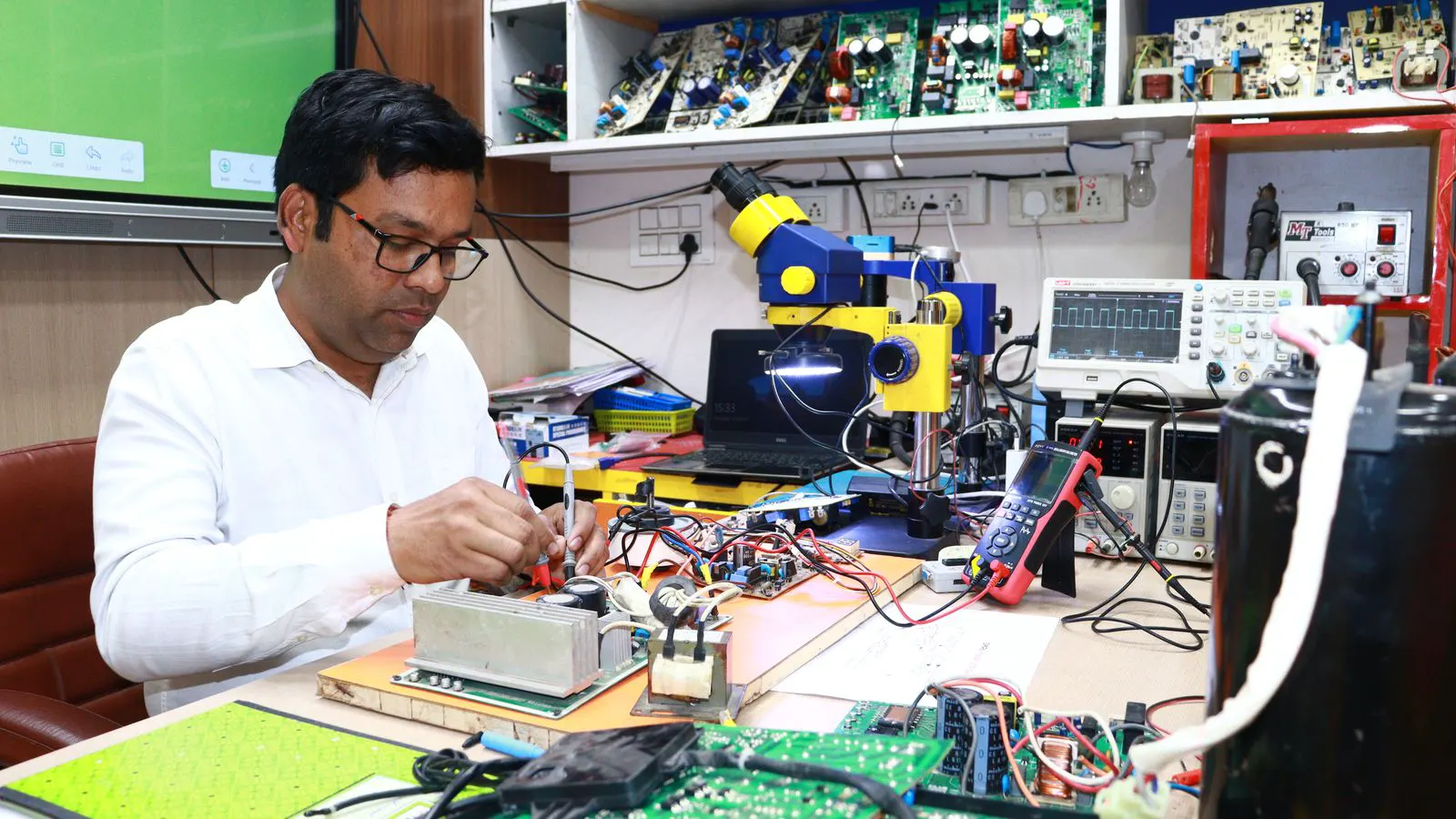
Procurement managers select PCB fabrication partners by auditing process capability, design review depth, and yield data. A strong vendor uses structured feedback loops and transparent reporting to manage board complexity and reduce assembly risk.
- Evaluate vendor process capability using defined metrics for thickness, trace width, and solder mask.
- Require design review documents that identify manufacturability issues before fabrication.
- Check yield rates and rework processes to understand the cost of failure.
- Prioritize vendors with structured communication channels for technical questions.
- Use a decision checklist to compare bids on process depth and support.
How to define the fabrication scope
Before contacting vendors, procurement teams need a clear technical brief. A complex design is not just a large board. It is a board with tight tolerances, high layer counts, mixed materials, or demanding surface finishes. Define the stackup first. Specify copper weights, dielectric materials, and laminate thicknesses. Note if the board requires low dielectric constant materials or high thermal stability. These choices narrow the vendor pool immediately. Some shops specialize in standard FR-4. Others handle high-frequency laminates or rigid-flex structures.
If you are building a high-speed backplane, the dielectric constant of the material matters more than the copper weight. A standard FR-4 laminate might be sufficient for a consumer electronics board, but it will fail to meet the impedance control requirements of a microwave system. When specifying the stackup, include the exact layer numbers for each copper plane. For example, a ten-layer board might be specified as 1/0/0/1/0/0/1/0/0/1, indicating which layers carry signal, power, or ground. This level of detail prevents misinterpretation.
Also consider the thermal behavior of the board. If the PCB will operate near power electronics or in an unventilated enclosure, the coefficient of thermal expansion of the laminate must match the components. Mismatches cause solder joint fatigue over time. Specify the maximum operating temperature and any thermal cycling requirements. This information helps the vendor select the correct prepreg and resin system.
Next, list the critical features. Include minimum trace widths, via types, blind or buried via patterns, and surface finish requirements. Gold immersion and ENIG have different plating depths and adhesion characteristics. Gold immersion is often used for high-reliability applications where low resistance is critical. ENIG is a standard choice for general electronics because it offers good corrosion resistance and is compatible with most wave soldering processes. For high-reliability applications, specify the finish method in the drawing. Do not leave this to vendor defaults.
If the board uses blind vias, specify the aspect ratio and the depth of the drill. Blind vias are more difficult to manufacture than through holes because the drill stops before exiting the board. This creates a risk of drill breakage and requires specialized equipment. If the board has buried vias, the internal layers must be drilled after the outer layers are laminated. This process requires precise alignment. Specify the tolerance for the via hole diameter. A tolerance of plus or minus 0.01 mm is common for standard through holes, but tighter tolerances may be needed for fine-pitch components.
Finally, set the quantity and timeline. A prototype run of five boards uses different quality controls than a production run of five thousand. State the acceptance criteria. Define what constitutes a defective unit. This prevents disputes later in the process. For a production run, define the defect rate that is acceptable for the project. A 0.5 percent defect rate might be acceptable for a non-critical consumer device, but it is unacceptable for a medical implant. Clarify the definition of “defect.” Does a small scratch on the solder mask count as a defect? Does a slight deviation in trace width?
What to verify in vendor capability
Capabilities vary widely among fabrication houses. Do not accept generic marketing claims. Ask for specific process data. Request the vendor’s current process control chart for the specific laminate you selected. Look for centerline and control limits. A stable process stays within these bounds. If the vendor cannot provide this data, they may lack the measurement infrastructure for your project.
Process control charts are not just a theoretical concept. They are visual records of the manufacturing process over time. For a lamination process, the chart might track the thickness of the board after each press cycle. If the thickness drifts outside the control limits, the process is unstable. This could indicate a problem with the press pressure, the temperature of the vacuum chamber, or the quality of the laminate itself. Ask the vendor to show you a chart from the last quarter. Look for trends, not just random points. A consistent trend suggests a systematic problem, such as a worn dielectric material or a miscalibrated sensor.
Check their equipment list. Ask what they use for laser drilling, lamination, and inspection. Do not judge by brand names alone. Look at the age and maintenance schedule of the machines. Older equipment can be reliable if well maintained. Newer equipment may lack proven reliability for your specific stackup. For example, a laser drill system that is three years old may have a different accuracy profile than one that is ten years old, even if they are the same model. Ask about the calibration frequency. Laser drills require frequent calibration to ensure the hole position is accurate. A vendor that calibrates weekly is more reliable than one that calibrates monthly.
Ask about their cleanroom environment. For boards with solder mask removal or bare metal exposure, contamination control matters. Inquire about their particle control standards and how they manage humidity. Contamination is a common cause of electrical shorts in high-reliability boards. A single particle of dust can bridge two traces and cause a short circuit. The vendor should have air filtration systems and controlled humidity levels in the areas where the board is exposed to air. Ask about their particle count standards. A cleanroom with a 0.1 micrometer particle limit is a good sign, but the key is how they maintain it. Ask about their cleaning procedures for the equipment. How do they clean the lamination press? How do they handle the copper foil?
How to assess design review quality
The design review stage separates competent vendors from passive order processors. A good fabrication partner analyzes your Gerber files and reports issues before cutting copper. Send the Gerber files and the layer stackup table. Ask for a Design for Manufacturability report. The report should identify minimum width violations, missing fiducials, and clearance issues.
A DFM report is not a one-time event. It is a dialogue. If the vendor finds an issue, they should explain the impact of the problem and suggest a solution. For example, if a trace width is below the minimum for the vendor’s process, they might suggest increasing the width or using a different laminate. If they just reject the file, they are not adding value.
Look for the depth of the review. A basic check flags obvious errors. A strong review identifies potential soldering problems, such as narrow vias near component pads or insufficient ground pour coverage. For a board with a dense array of components, the spacing between vias and pads is critical. If a via is too close to a pad, the soldering process might not remove the solder from the via hole, leading to a cold joint or a short circuit. A good DFM report will flag this issue.
The timing of this review matters. If the vendor finds a critical error on day one, the cost is low. If they find it after fabrication, you face rework or scrap. The earlier the issue is caught, the cheaper it is to fix. Ask the vendor about their DFM turnaround time. A quick review is better than a slow one. If the vendor takes a week to return the DFM report, it might indicate that they are not prioritizing your project or that their review process is inefficient.
Ask how many engineers review each order. A single person can miss subtle stackup interactions. Multiple reviewers reduce this risk. A good vendor will have a team of engineers who review the design from different perspectives. One engineer might focus on electrical performance, another on manufacturability, and another on assembly. This multidisciplinary approach increases the likelihood of catching all potential issues.
What metrics to track for yield
Yield is the most direct indicator of vendor reliability. Do not accept a single number. Ask for a breakdown by defect type. Common defects include missing copper, short circuits, and solder mask bridging. If a vendor reports a high yield but does not explain the root causes of the low yield, be cautious.
Yield is not just a number. It is a result of many factors. A high yield might be achieved by accepting more defects, not by producing fewer of them. Ask the vendor how they define yield. Do they count every defect, or only the ones that cause a functional failure? A board with a scratch on the solder mask might be counted as a defect, but it might still work fine. A board with a missing via might not work. The definition of yield affects the number.
Request the process capability index. This metric measures how well the process fits within the specification limits. A Cpk value above 1.33 suggests the process is capable. For critical applications, a value of 1.67 or higher is preferable. The Cpk value is calculated from the standard deviation of the process and the specification limits. A high Cpk means the process is tightly controlled and produces consistent results. A low Cpk means the process is unstable and produces a wider range of results. For a board with tight impedance control requirements, a high Cpk is essential. For a board with loose tolerances, a lower Cpk might be acceptable.
Ask about their rework policy. Some vendors rework a defective board and ship it. Others charge a fee for rework. Clarify the cost structure before signing the contract. Rework is a sign that the vendor is willing to stand behind their work. However, it is also a sign that their process is not perfect. Ask about the rework process. How do they identify the defect? How do they fix it? Do they re-inspect the board after rework? A good rework process is thorough and documented. A poor rework process might introduce new defects.
Review their quality management documentation. Look for ISO certification. While not a guarantee of quality, it indicates a structured approach to document control and internal audits. ISO certification is a baseline. It shows that the vendor has a formal quality management system. However, it does not guarantee that the system is effective. A vendor can be certified and still produce poor quality boards. Ask about their internal audits. How often do they audit their own processes? What do they find? A vendor that conducts regular internal audits and implements corrective actions is more reliable than one that just gets certified and forgets about it.
How to compare pricing models
Pricing for PCB fabrication is rarely a simple line item. The cost structure depends on complexity, quantity, and material selection. Break down the quote into material, processing, and inspection fees. Compare the material cost per square foot. If one vendor is significantly cheaper on materials, ask about the source of the laminate.
Material cost is a major part of the total price. The laminate, copper foil, and solder mask material all contribute to the cost. A cheaper vendor might be using a lower quality laminate or a cheaper copper foil. Ask about the brand and specification of the laminate. A high-quality laminate might cost more, but it might offer better electrical performance and longer lifespan. A low-quality laminate might save money upfront, but it might cause problems later.
Processing costs vary by process. Blind via fabrication adds cost. A higher layer count increases lamination cycles. Surface finish methods have different plating and plating bath costs. For example, a board with ten layers requires more lamination cycles than a board with four layers. Each cycle adds time and cost. A board with blind vias requires additional drilling and plating steps. These steps increase the cost. A board with a gold immersion finish requires a gold plating bath, which is more expensive than a tin plating bath.
Inspection fees are often separate. Optical inspection is standard. X-ray inspection for buried vias costs more. Ask if the quote includes full X-ray or only a sample inspection. X-ray inspection is important for buried vias because they cannot be seen from the outside. If the vendor only does a sample inspection, there is a risk that some boards with defective buried vias will pass. For a critical application, full X-ray inspection is recommended.
Request a cost breakdown for a similar complex board they produced in the past. This provides a baseline for comparison. If the vendor refuses to share historical pricing, it may indicate poor transparency. A transparent vendor will be willing to show you how they price a similar project. This helps you understand their cost structure and identify any hidden fees.
What to ask during the vendor audit
If the project is high-risk, conduct a site audit. Plan the audit around the fabrication process flow. Start at the raw material storage area. Check how laminates are stored. Laminates are sensitive to humidity and temperature. Proper storage prevents material degradation.
Laminates must be stored in a controlled environment. If the humidity is too high, the laminate can absorb moisture. Moisture can cause delamination during lamination. If the temperature is too high, the laminate can degrade. The vendor should have a storage area with controlled humidity and temperature. Ask about their storage conditions. How do they monitor the environment? How do they prevent contamination?
Walk the lamination line. Observe the press and the vacuum chamber. Check the pressure and temperature controls. Ask about the lamination cycle parameters. The lamination process is critical for the quality of the board. If the pressure is not uniform, the laminate may not bond evenly. If the temperature is not correct, the resin may not cure properly. Ask about the cycle time. A longer cycle time allows for better curing, but it increases the cost.
Visit the drilling area. Look at the drill bit inventory. Worn drill bits cause hole enlargement. Ask about their drill bit replacement policy. Drill bits are consumables. They wear out with use. If the vendor uses worn drill bits, the holes will be larger than specified. This can cause problems with component placement and soldering. Ask about their drill bit replacement schedule. How often do they replace the bits? Do they have a policy for replacing bits before they are worn out?
Check the inspection bay. See the inspection equipment in use. Observe how defects are logged. A good system tracks defects by type and location. Ask about their inspection process. Do they inspect every board, or only a sample? Do they use automated optical inspection, or do they rely on manual inspection? Automated optical inspection is faster and more consistent, but it can miss some defects. Manual inspection can catch defects that automated systems miss, but it is slower and more subjective.
Ask your team to meet with the quality manager. Discuss your acceptance criteria. Align on the definition of a conforming board. The quality manager is the person who makes the final decision on whether a board is acceptable. If the quality manager does not understand your acceptance criteria, they may accept boards that do not meet your requirements. If they do not accept boards that meet your requirements, they may reject boards that are fine. Aligning on the criteria before production starts prevents disputes.
Decision checklist for vendor selection
Use this checklist to compare vendors on a consistent basis.
- Process capability: Does the vendor provide Cpk data for your specific laminate and thickness?
- Design review: Is the DFM report detailed, and does it identify potential soldering issues?
- Yield history: Can the vendor share yield data for similar complex designs?
- Rework policy: Is rework included in the price, and what is the turnaround time?
- Communication: Is there a dedicated technical contact for the project?
- Capacity: Can the vendor meet your timeline with a buffer for delays?
- Quality system: Is the vendor certified to a recognized quality standard?
Final considerations
Selecting a PCB fabrication vendor for complex designs requires a systematic approach. Do not rely on a single metric. Combine process data, design review quality, and yield history into a holistic evaluation.
The best vendor is not always the cheapest. A slightly higher cost is justified if the vendor reduces your risk of assembly failure. A strong fabrication partner acts as a technical resource, not just a processing plant. They should be willing to discuss your design and suggest improvements. They should be able to explain the trade-offs between different materials and processes. They should be able to provide data to support their recommendations.
Build a relationship based on transparency. Share your design challenges. Ask for their input on stackup selection and process optimization. This collaboration improves outcomes for both parties. A good vendor will be willing to work with you to solve problems. They will not just take an order and process it. They will engage with you and help you improve your design.
Keep a record of all interactions. Save the DFM reports, process data, and yield statistics. This documentation helps in future projects and supports continuous improvement. If you have a dispute with a vendor, the documentation will help you resolve it. If you want to improve your design, the documentation will help you identify areas for improvement. If you want to switch vendors, the documentation will help you compare them.
Frequently asked questions
What is the most important factor in selecting a PCB fabrication vendor?
Process capability for your specific stackup is the primary factor. A vendor must demonstrate stable control over the materials and processes your design requires.
How do I verify a vendor's yield claims?
Request a defect breakdown and ask for the root cause analysis of the lowest yield month. Cross-reference this with their rework policy to understand the total cost of defects.
Is a site audit necessary for all PCB projects?
It is not required for simple boards. For complex designs with high layer counts or critical applications, a site audit provides confidence in the vendor's quality systems.
How should I handle a vendor that refuses to provide process data?
Treat this as a red flag. A vendor that cannot or will not share process control data may lack the measurement infrastructure needed for your project requirements.
What is the best way to manage vendor communication during fabrication?
Assign a single technical contact on both sides. Schedule regular check-ins at key process milestones. Use a shared document to track open issues and approvals.